Goat Milk Formula: Key Factors to Consider Before Buying
Posted by Kids kidscitybaby
Filed in Arts & Culture 24 views
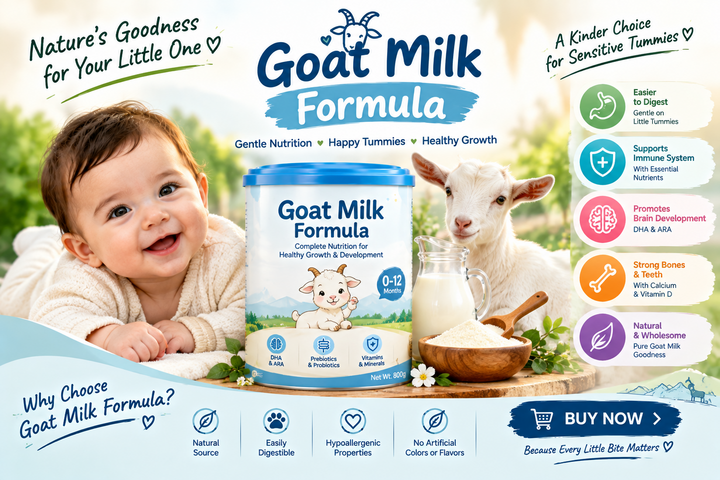
Choosing an infant feeding product can sometimes feel overwhelming, especially when parents have many brands and formulations to compare. goat milk formula is one option that families may come across during their research. Understanding the product, reading the label, checking the feeding stage, and following preparation instructions can make the selection process more straightforward.
Parents often want to know what makes one formula different from another and which details deserve attention before purchasing. Rather than relying only on packaging claims, it is helpful to look at the complete ingredient list, nutritional information, manufacturer's instructions, and age suitability. These details provide a clearer picture of what a particular product is designed for.
Goat Milk Formula for Babies
Goat Milk Formula for Babies is a commonly searched category among families exploring commercially prepared infant feeding products. Parents should understand that specially formulated infant products are different from ordinary goat milk. Infant formulas are produced for specific feeding stages and should be prepared and used according to the manufacturer's directions.
When comparing products, start by checking the recommended age or stage on the packaging. Parents can then review the ingredients, nutritional information, preparation instructions, storage guidance, package quantity, and expiry date.
It is also important to remember that babies can have different nutritional requirements. A product that is suitable for one child may not necessarily be appropriate for another. If parents have questions about their baby's nutritional needs, a pediatrician or qualified healthcare professional can provide individualized guidance.
Goat Milk Infant Formula
Goat Milk Infant Formula products may contain different combinations of ingredients depending on the manufacturer and formulation. Although goat milk can be a key ingredient, the finished product may contain other nutrients and components intended to create the required nutritional profile.
This makes label reading an important part of the selection process. Parents should not judge a product only by the words displayed prominently on the front of the package. Reviewing the complete ingredient list and nutritional panel can provide more useful information.
The feeding stage should also be considered carefully. Parents should choose a product according to the manufacturer's recommended age range and instructions. If a baby has a known allergy, medical concern, or special dietary requirement, professional advice should be obtained before making a feeding change.
Goat Milk Baby Formula
Goat Milk Baby Formula is another search term used by parents who are comparing infant feeding choices. When looking at these products, it is important to distinguish commercially prepared infant formula from plain goat milk.
Parents can check several details before making a purchase. These include the product name, intended age, ingredient list, nutritional information, manufacturer, expiry date, and storage instructions.
Online buyers should also carefully review the seller and product listing. After delivery, inspect the packaging and make sure the product is sealed, undamaged, and consistent with the item that was ordered.
Preparation is equally important. The manufacturer's instructions should always be followed exactly. Parents should not independently alter the recommended quantity of powder or water.
Goat Milk Formula for Infants
When comparing goat milk formula for infants, it is useful to consider the entire formulation instead of focusing only on the type of milk used. Parents can compare nutritional information, ingredients, feeding stage, package size, preparation requirements, and storage instructions.
A baby's age is an important starting point because infant products can be designed for different feeding stages. Choosing a product outside its stated age guidance may not be appropriate.
Parents should also consider their child's individual circumstances. If the baby has feeding difficulties, suspected allergies, a diagnosed condition, or specific nutritional requirements, a healthcare professional can provide more suitable guidance.
Organic Goat Milk Formula
Organic Goat Milk Formula may appeal to families who prefer products containing ingredients produced according to applicable organic standards. However, organic requirements can vary depending on the certification system and country where the product is sold.
Parents who prefer organic products can check the certification information on the packaging. They should also review the full nutritional information and ingredient list instead of assuming that an organic label alone determines suitability.
Organic certification generally relates to production standards for ingredients covered by the relevant certification. Parents should still consider the baby's age, feeding stage, formulation, preparation instructions, and individual requirements.
Comparing the complete product information can help families understand what they are purchasing and avoid making a decision based on one label claim.
What to Look for on the Label
A product label can provide several useful details when comparing different options. Parents can begin with the recommended feeding stage and then review the ingredient list and nutritional information.
The preparation instructions should also be easy to understand. The packaging may provide information about how the product should be measured, mixed, stored, and handled after opening.
Parents should also check the expiry date and package condition before purchasing or using the product. If the packaging appears damaged or the information is unclear, it is better to contact the seller or manufacturer for clarification.
Marketing terms should not be the only basis for a decision. Looking at the actual product information gives parents a more practical way to compare different formulations.
Comparing Ingredients
One useful way to compare goat milk formula products is to examine their complete ingredient lists. Products that appear similar may still have differences in their overall composition.
Parents can compare the nutritional panel alongside the ingredient list to understand the product more clearly. The feeding stage and manufacturer's preparation instructions should also be considered.
It is generally better to evaluate several factors together rather than choosing a product based on one ingredient or promotional statement. If parents are unsure about a particular ingredient, they can discuss it with a pediatrician or qualified healthcare professional.
Considering Package Size and Price
Package size can make a practical difference when families are purchasing formula regularly. Parents should compare the quantity included in each package rather than looking at the price alone.
A larger package may have a different price per unit than a smaller package, so checking the quantity can make comparisons more meaningful. Storage requirements and expiry dates should also be considered before purchasing multiple packages.
When shopping online, check whether different listings represent different package sizes or product versions. Carefully reading the product description can help avoid ordering the wrong item.
Preparation and Storage
Following the manufacturer's preparation instructions is an essential part of using infant formula. Parents should use the specified amount of water and powder and follow the recommended preparation process.
The recommended ratio should not be changed independently. Altering the amount of powder or water can change the concentration of the prepared feed.
Parents should also follow appropriate hygiene practices when handling feeding equipment. Bottles and related equipment should be cleaned appropriately, while prepared feeds should be stored and used according to the manufacturer's instructions.
The product should also be stored under the conditions specified on the packaging after opening.
Buying Formula Online
Online shopping can make product comparison convenient, but parents should still check important details before placing an order. Product name, feeding stage, package size, manufacturer, expiry information, and seller details should all be reviewed.
It is helpful to purchase from a reputable seller and retain the order information until the product has been received and checked.
After delivery, inspect the packaging before opening it. If the package is damaged, appears improperly sealed, or does not match the order, contact the seller before using the product.
When Professional Advice Is Needed
Parents may sometimes be uncertain about whether a particular formula is appropriate for their baby. A pediatrician can consider the child's age, nutritional requirements, feeding history, and individual circumstances.
Professional advice can be particularly useful when a baby has suspected food allergies, feeding difficulties, a diagnosed medical condition, or other nutritional concerns.
General product information can help parents understand their choices, but individual feeding decisions may require personalized professional guidance.
Frequently Asked Questions
1. Is goat milk formula the same as regular goat milk?
No. Commercially prepared infant formula and ordinary goat milk are different products. Regular goat milk should not automatically be used as a substitute for infant formula.
2. What should I check before buying?
Check the recommended feeding stage, ingredients, nutritional information, expiry date, package condition, manufacturer details, and preparation instructions before purchasing.
3. Can every baby use goat-milk-based formula?
Not necessarily. Babies have different nutritional requirements. Parents should seek professional guidance if their baby has a medical, dietary, or feeding concern.
4. Is organic certification enough to choose a product?
No. Organic certification relates to applicable production standards. Parents should also consider the complete formulation and the baby's individual feeding requirements.
5. How should infant formula be prepared?
Always follow the manufacturer's exact preparation instructions. Use the specified amounts of water and powder and follow the recommended hygiene and storage guidance.
Final Thoughts
Selecting goat milk formula is easier when parents focus on the complete product rather than one particular ingredient or marketing claim. Checking the feeding stage, ingredients, nutritional information, preparation instructions, storage requirements, and manufacturer details can help families compare options more carefully.
Every baby has individual needs, so there is no single product that is automatically suitable for every child. Parents should consider their baby's circumstances and seek professional guidance whenever they have concerns about nutrition, allergies, feeding difficulties, or changing products.