Enfamil Milk Formula: Everything Parents Should Know Before Buying
Posted by Kids kidscitybaby
Filed in Arts & Culture 21 views
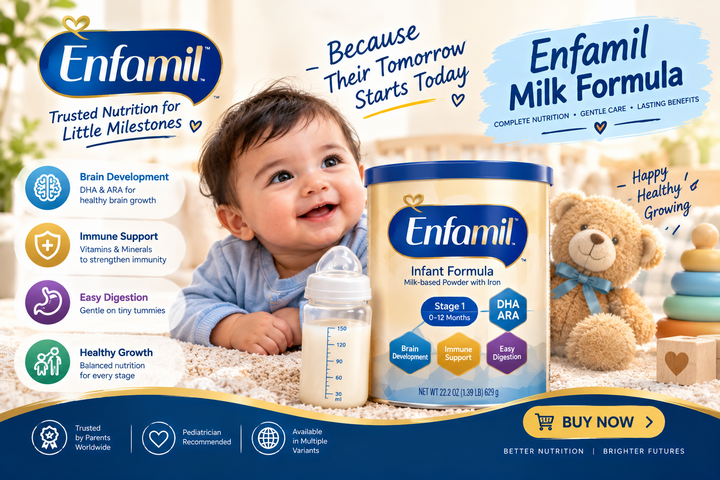
Selecting infant formula can require careful consideration, particularly for parents who are new to formula feeding. Product labels often contain detailed information about ingredients, nutrients, preparation, storage, and recommended ages. enfamil milk formula is a product category that parents may research when comparing infant feeding options. Rather than making a decision based on packaging alone, parents can review the complete product information and consider their baby's individual needs. A pediatrician can also provide guidance when parents have questions about nutrition, formula selection, or changing feeding routines.
Enfamil Infant Formula and Product Variety
Enfamil infant formula may be offered in several varieties for different stages of infancy. Parents should carefully review the product label because similar products may have different intended uses.
The recommended age is particularly important. Parents should select a product designed for their baby's current stage unless a healthcare professional recommends otherwise.
Formula labels also provide information about nutrients and ingredients. Reading these details can help parents understand the product before purchasing it.
Parents who are unsure about the available varieties can speak with a pediatrician and ask which factors are relevant to their baby's feeding needs.
Enfamil Baby Formula for Everyday Use
Enfamil baby formula can be incorporated into an infant's feeding routine when formula feeding is chosen. Parents should follow the manufacturer's instructions carefully during preparation and storage.
A baby's feeding needs can vary, so parents should avoid assuming that one feeding schedule works for every infant. Paying attention to the baby's feeding cues and discussing concerns with a healthcare professional can be helpful.
Parents can also organize their feeding supplies to make everyday preparation easier. Clean bottles, measuring equipment, and appropriate storage can help maintain a consistent routine.
Enfamil Formula Milk: Understanding Preparation
Enfamil formula milk should be prepared using the manufacturer's recommended method. Parents should measure the water and powder carefully rather than estimating quantities.
Using too much or too little powder can change the concentration of the prepared formula. For this reason, parents should avoid modifying the preparation method without professional advice.
Clean hands and feeding equipment are also important. Parents should create a clean preparation area and follow the storage instructions provided on the package.
If preparation instructions are unclear, the manufacturer's official information or a pediatrician can provide clarification.
Enfamil Infant Milk Formula and Baby Development
Enfamil infant milk formula may be available for different stages of infancy. Babies develop rapidly, and their nutritional requirements can change as they grow.
Parents can use the product's age recommendation as a starting point when comparing options. They should also consider the nutritional information and any specific guidance from their pediatrician.
When a baby has a particular nutritional concern, parents should not select a specialized product without professional advice. A pediatrician can explain whether the product is appropriate for the baby's circumstances.
Enfamil Baby Milk Formula and Shopping Tips
Parents researching Enfamil baby milk formula should check the complete product description before purchasing. The recommended age, ingredients, nutrition panel, package size, and preparation instructions are all useful details.
When buying online, parents should verify the exact product variant. Similar product names can sometimes make it difficult to distinguish between different options.
Checking packaging and expiry information is also important. Parents should avoid products with damaged containers or unclear labeling.
Reliable retailers can make the purchasing process easier, particularly when they provide clear information about the product and storage conditions.
Comparing Different Formula Products
Parents may compare several formula products before deciding which one to use. A simple comparison can include age suitability, nutritional information, ingredients, preparation method, package size, and storage requirements.
It can be tempting to focus on marketing claims, but parents should prioritize the information provided on the product label.
If a baby has a specific nutritional need, professional guidance should be part of the comparison process. A pediatrician can help parents understand which product characteristics may matter for their baby.
Understanding Nutritional Information
Formula packaging can contain a wide range of nutritional information. Parents may see details about calories, protein, carbohydrates, fats, vitamins, minerals, and other nutrients.
Reading the entire nutrition panel gives a more complete picture than looking at one nutrient alone. Parents can also compare labels when deciding between different products.
However, nutrition labels should not be interpreted as medical advice. Parents who are concerned about whether a baby is receiving adequate nutrition should discuss the issue with a healthcare professional.
Safe Formula Preparation
Proper preparation is essential when using powdered infant formula. Parents should wash their hands and use clean feeding equipment.
The water-to-powder ratio should always match the manufacturer's instructions. Parents should not add extra powder to make the formula "stronger" or dilute it by adding additional water.
Prepared formula should be stored and used according to the recommended instructions. Parents should pay attention to storage time and temperature requirements.
Following these basic practices can help families maintain a safer and more consistent feeding routine.
Formula Storage at Home
Storage conditions can affect formula quality. Parents should follow the manufacturer's recommendations for storing unopened and opened products.
Formula should generally be kept in the type of environment specified by the manufacturer, away from unsuitable conditions. Parents should always check the packaging for specific storage instructions.
Keeping track of opening dates can also help parents follow the recommended usage period.
When parents are unsure whether a product has been stored correctly, they should consult the manufacturer's guidance before using it.
Making Formula Feeding Convenient
Parents can make formula feeding more manageable by keeping supplies organized. Bottles, formula, measuring equipment, and cleaning supplies can be stored in an accessible but hygienic location.
Preparing bottles according to the instructions and maintaining clean equipment can help reduce last-minute confusion.
Parents should also remain flexible because babies can have different feeding patterns. A pediatrician can provide guidance if parents have concerns about feeding frequency or nutritional intake.
Buying Enfamil Milk Formula Responsibly
When purchasing enfamil milk formula, parents should verify the exact product, age recommendation, expiry date, and packaging condition. This is particularly important when buying online.
Parents can compare prices between retailers, but they should not overlook product authenticity and storage conditions.
Keeping the product information available after purchase can also be useful because parents may need to refer to preparation or storage instructions later.
Final Guidance for Parents
Choosing enfamil milk formula should involve more than simply selecting a familiar product. Parents can review the product label, understand its intended age range, compare nutritional information, and follow the manufacturer's preparation instructions.
When individual concerns exist, professional guidance is important. A pediatrician can help parents understand feeding requirements and whether a particular formula is suitable.
A careful combination of product research, safe preparation, proper storage, and professional advice can help parents develop an informed formula-feeding routine.
Frequently Asked Questions
1. What should parents compare between formula products?
Parents can compare age recommendations, ingredients, nutritional information, preparation instructions, package sizes, and storage requirements.
2. Is it important to check the expiry date?
Yes. Parents should always check the expiry date and avoid using products that are past their recommended use period.
3. Can formula preparation instructions be changed?
Parents should follow the manufacturer's instructions unless a healthcare professional provides different guidance.
4. What makes online formula shopping safer?
Use reliable retailers, check the exact product variant, inspect packaging, and verify expiry and storage information.
5. Can a pediatrician help choose formula?
Yes. A pediatrician can consider the baby's individual nutritional needs and provide personalized feeding guidance.