What Are the Biggest Workplace Junk Hazards? Essential Tips for Vancouver Businesses
Posted by Trash Bandits
Filed in Arts & Culture 28 views
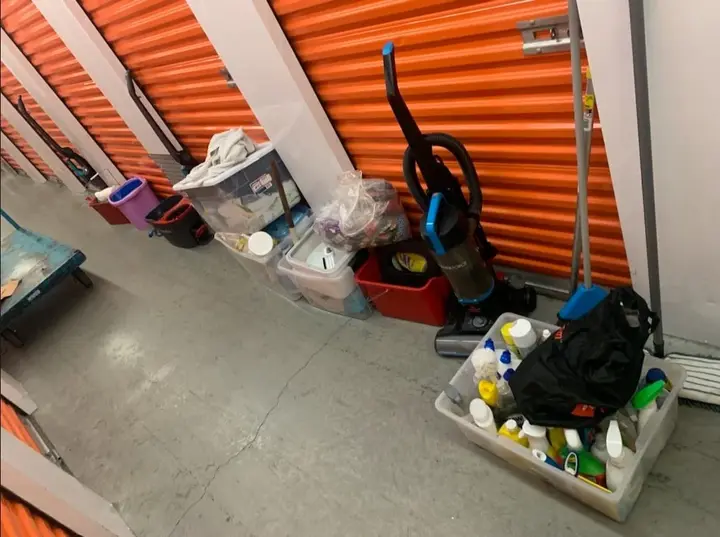
Workplace junk can accumulate gradually, often without anyone noticing the problem until an area becomes difficult to access. Old furniture, empty boxes, damaged equipment, renovation debris, and unused materials can take up valuable space and create avoidable hazards. For Vancouver businesses looking for a practical way to manage accumulated materials, Junk Removal Vancouver can be part of a broader workplace cleanup and maintenance strategy.
The issue is not simply whether a workplace looks untidy. Poorly managed junk can interfere with movement, storage, cleaning, and routine operations. Recognizing common hazards early allows business owners and facility managers to address clutter before it becomes a larger problem.
Why Workplace Junk Can Become a Safety Hazard
Most workplace junk is not inherently dangerous. The risk often comes from how items are stored, stacked, moved, or left in active areas.
A box sitting in a designated storage area may present little concern. The same box left in a busy corridor can interfere with movement. Likewise, an old filing cabinet may be harmless while stationary but become difficult to handle when employees attempt to move it without proper planning.
Businesses should therefore look at both the material itself and its location. Items that interfere with normal workplace activities deserve attention even when they appear ordinary.
Common Workplace Junk Hazards
Heavy and Bulky Items
Old desks, cabinets, shelving, appliances, and other large objects can be difficult to move safely. Employees may be tempted to relocate these items themselves when they need additional workspace or access to a particular area.
Bulky objects can also make narrow corridors, storage rooms, and loading areas harder to navigate. Before moving them, businesses should consider their size, weight, route, and destination.
If an item is no longer needed, removing it instead of repeatedly relocating it may be a more practical approach.
Unstable Stacks and Loose Materials
Boxes, discarded supplies, packaging, and other materials are sometimes stacked temporarily and then forgotten. Over time, temporary storage can become permanent, creating crowded shelves and difficult-to-access spaces.
Loose materials can also spread into areas that were not intended for storage. Regular inspections can help identify items that should be organized, relocated, or removed.
A useful workplace rule is to avoid allowing temporary piles to become part of the normal environment.
Sharp or Damaged Objects
Broken furniture, exposed hardware, damaged fixtures, and other discarded materials may have edges or components that require careful handling. These objects should not be left where employees can accidentally encounter them during routine activities.
When damaged items are identified, isolate them from active work areas and determine how they should be handled. Businesses should also avoid asking employees to dismantle or modify unfamiliar equipment simply to make it easier to remove.
Cluttered Walkways and Access Areas
One of the easiest junk hazards to overlook is clutter in areas people use every day. Boxes, furniture, equipment, and discarded materials can gradually occupy corridors, doorways, stair areas, or other access points.
Businesses should keep walkways and important access areas clear. During workplace inspections, managers can check whether employees have unobstructed routes through offices, storage spaces, work areas, and entrances.
The same principle applies to outdoor areas such as loading zones, service areas, and pathways around commercial properties.
How Businesses Can Reduce Junk-Related Risks
Preventing junk-related hazards does not necessarily require a complicated system. A few consistent practices can make workplace cleanup easier to manage.
Consider the following:
- Inspect storage areas regularly. Identify materials that are no longer needed.
- Separate useful items from unwanted materials. This prevents accidental disposal.
- Keep active work areas clear. Do not allow discarded items to accumulate beside workstations.
- Create a temporary holding area. Give employees a designated place for items awaiting removal.
- Avoid unnecessary handling. Large or awkward objects should not be moved repeatedly around the workplace.
- Schedule removal promptly. Once enough unwanted material has accumulated, arrange an appropriate cleanup rather than letting the pile grow.
A consistent process can also make it easier for employees to understand what should happen when equipment, furniture, or supplies reach the end of their useful life.
When Professional Junk Removal Makes Sense
There are situations where routine employee cleanup is not the most practical solution. A large office clear-out, renovation, relocation, or storage-area cleanup may generate more material than employees can reasonably handle.
Professional removal can be useful when unwanted items are bulky, numerous, difficult to transport, or spread across several areas of a property.
For example, a business preparing for an office renovation may need to remove desks, chairs, shelving, cabinets, and miscellaneous materials before contractors begin work. In this situation, researching Commercial Junk Removal can help a facility manager compare services designed around business properties and larger cleanup projects.
Before scheduling a pickup, businesses should describe the type and approximate quantity of materials involved. Providing accurate information can help the removal company understand the scope of the job.
Managing Storage Areas and Overflow
Storage spaces deserve particular attention because they can become a destination for anything that does not currently have a place. Once a room becomes crowded, employees may have difficulty identifying what is still useful and what can be discarded.
A simple review can divide stored materials into three categories: keep, relocate, and remove. Items that have no current purpose should not automatically remain simply because there is room to store them.
Businesses should also avoid placing unwanted materials in emergency access areas, around equipment, or in locations that make routine maintenance difficult.
Choosing a Suitable Removal Service
When comparing removal companies, businesses should consider more than the ability to haul items away. The provider should understand the nature of the materials, the property's access conditions, and the practical requirements of the cleanup.
Useful questions include:
- What types of workplace materials are accepted?
- Does the company handle bulky furniture?
- How should large items be prepared?
- Are there access limitations the business should mention?
- How is scheduling coordinated?
- What information is needed before receiving an estimate?
- How are collected materials handled after removal?
Trash Bandits is one local provider that Vancouver businesses may research when comparing options for workplace and property cleanup. Asking clear questions before booking can help businesses select a service that fits their particular project.
Build Junk Removal Into Regular Workplace Maintenance
Junk removal should not always be treated as a once-a-year cleanup. Businesses can make clutter management part of routine facility maintenance by checking storage rooms, workstations, corridors, loading areas, and other spaces periodically.
This approach is particularly useful for companies that regularly receive supplies, replace equipment, renovate spaces, or move offices. Addressing unwanted materials as they appear can prevent a large accumulation later.
Storage areas outside the main workplace also deserve attention. Businesses with rented storage spaces may find that old furniture, equipment, packaging, or unused supplies gradually accumulate there. When comparing Storage Unit Cleanout Services, businesses should explain the size of the unit, the types of materials present, and any access considerations.
Trash Bandits can also be considered when a business is researching local removal providers for these types of cleanup needs. The focus should remain on choosing a service that matches the materials, property, and scope of the project.
Conclusion
Workplace junk can become a safety concern when unwanted materials interfere with movement, storage, access, or routine operations. Heavy furniture, unstable piles, damaged objects, and cluttered pathways all deserve attention before they become larger problems.
Vancouver businesses can reduce these risks by inspecting their workplaces regularly, removing unnecessary materials promptly, and establishing clear procedures for storage and disposal. When a cleanup becomes too large or difficult for employees to manage safely, a suitable professional removal service can provide a practical way to restore usable space and keep workplace maintenance organized.