Books That Deepen Faith: Exploring the Best Islamic Books to Read
Posted by Manshurat Pakistan
Filed in Shopping 8 views
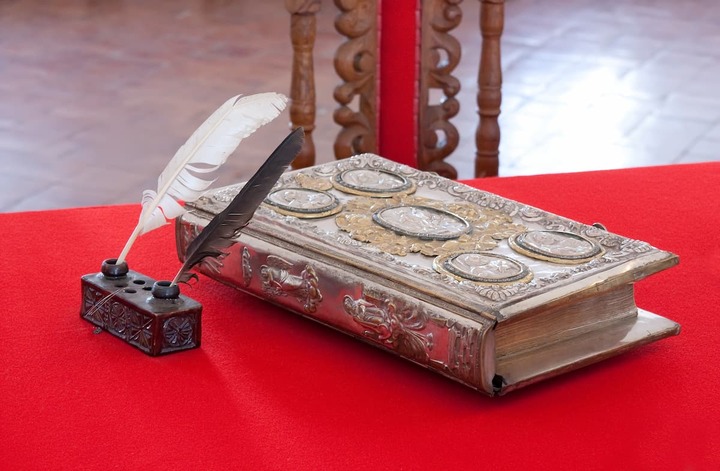
Reading can be a powerful way to gain knowledge, reflect on faith, and develop a stronger connection with Islamic teachings. The right book can introduce a new perspective, answer important questions, or encourage a reader to think more deeply about everyday life.
Islamic literature covers a wide range of subjects, from the Quran and Hadith to Seerah, spirituality, history, and personal development. Whether you are a new reader or already have a growing Islamic library, exploring the Best Islamic Books can help you create a meaningful reading journey.
The goal is not simply to read more books. It is to choose reliable and beneficial books that increase understanding and encourage positive change.
Begin With the Quran
The Quran should be at the center of every Muslim's reading journey. Alongside regular recitation, reading a reliable translation or explanation can help readers understand the meanings and lessons of its verses.
Books focused on Quranic themes can also make it easier to explore subjects such as patience, gratitude, forgiveness, justice, family, worship, and accountability.
If you are new to Islamic reading, choose a book that explains Quranic teachings in clear and accessible language. More experienced readers may prefer detailed works that explore the context and meanings of different verses.
The most important thing is to approach Quranic reading with reflection rather than simply trying to finish a certain number of pages.
Learn From the Seerah
The life of Prophet Muhammad ﷺ provides practical examples of Islamic values. Seerah books introduce readers to the Prophet's ﷺ character, family life, leadership, patience, struggles, and relationship with his companions.
Reading Seerah can make Islamic teachings easier to understand because it shows how faith was practiced in real situations.
For example, stories about patience during difficult times can encourage readers to deal with their own challenges with greater resilience. Accounts of kindness and forgiveness can inspire better relationships with others.
A well-written Seerah book can therefore become more than a historical account. It can serve as a source of guidance and reflection.
Explore Hadith and Everyday Guidance
Hadith literature provides another important source of Islamic learning. Reliable Hadith books can help readers understand the sayings, actions, and practices of Prophet Muhammad ﷺ.
Readers can start with collections that focus on everyday topics such as worship, manners, honesty, kindness, family relationships, and personal conduct.
Hadith books can be especially useful when you want to connect Islamic knowledge with daily life. A short reading session can introduce a lesson that you can then try to apply throughout the day.
When selecting Hadith literature, always consider the reliability of the collection, the author's approach, and the quality of the translation or explanation.
Read About Spiritual Growth
Faith is not only about gaining information. It is also about developing a stronger relationship with Allah and improving the heart.
Books about Islamic spirituality can help readers reflect on sincerity, repentance, gratitude, patience, trust in Allah, remembrance, humility, and the purpose of life.
These books can be particularly meaningful during periods when you want to slow down and reflect. Rather than reading quickly, take time to consider how a lesson relates to your own life.
A useful spiritual book should encourage you to turn reflection into action.
Discover the Best Islamic Books Urdu Readers Can Enjoy
Language has an important role in Islamic learning. For Urdu-speaking readers, Best Islamic Books Urdu collections provide access to valuable knowledge in a familiar and expressive language.
Urdu Islamic literature includes books on Quranic studies, Seerah, Hadith, spirituality, Islamic history, ethics, and contemporary topics. Readers can also find Urdu translations of important works originally written in Arabic or other languages.
When choosing Urdu Islamic books, do not select a title based only on popularity. Consider the author's background, publisher, references, and the subject being discussed.
A reliable Urdu book can make complex ideas easier to understand and can become an important part of a personal reading collection.
Learn From Islamic History
Islamic history offers lessons that extend beyond dates and events. Books about Muslim scholars, the Sahabah, Islamic civilizations, and important historical periods can help readers understand the development of Muslim communities and intellectual traditions.
Historical books can also introduce readers to individuals who dedicated their lives to knowledge, service, justice, and scholarship.
Reading Islamic history alongside books on spirituality and worship creates a balanced reading experience. It allows you to understand both the intellectual and practical dimensions of Muslim life.
Choose Books That Improve Character
One of the most meaningful areas of Islamic reading is character development. Islamic teachings place strong emphasis on qualities such as honesty, patience, kindness, generosity, humility, and forgiveness.
Books about character can help readers examine their own habits and relationships.
For example, reading about controlling anger may encourage you to pause before responding during an argument. Learning about gratitude may encourage you to recognize blessings that you often overlook.
This is where reading becomes especially valuable. The purpose is not simply to remember what a book says but to allow its lessons to influence your behavior.
Build a Reading List for the Whole Family
An Islamic reading collection can benefit every member of the family. Children can begin with simple books about Prophets, Islamic manners, and Quranic stories. Teenagers may enjoy books about Seerah, faith, identity, and Islamic history.
Adults can explore more detailed works covering Quranic studies, Hadith, spirituality, Islamic law, history, and contemporary issues.
Reading together can also create opportunities for family discussions. Parents can ask children what they learned from a story, while older family members can discuss lessons from a Seerah or history book.
Give Islamic Books as Meaningful Gifts
Books can be thoughtful gifts because they can continue to benefit the recipient long after a special occasion. Islamic Gift Books are suitable for Ramadan, Eid, weddings, birthdays, graduations, and other important moments.
When choosing a book as a gift, consider the person's age, interests, and current level of knowledge.
For someone interested in Islamic history, a Seerah or history book may be a good choice. For a reader seeking personal reflection, a book about spirituality or character may be more suitable.
You can also create a small collection around a theme. A Quran-related book, Seerah title, and character-building book can make a meaningful reading set.
How to Select the Right Islamic Books
There are countless Islamic books available, so choosing the right ones requires some thought. Start by identifying your reading goal.
Ask yourself:
-
Do I want to understand the Quran better?
-
Do I want to learn about the life of Prophet Muhammad ﷺ?
-
Am I interested in Islamic history?
-
Do I want to improve my character?
-
Am I looking for spiritual reflection?
-
Do I prefer reading in Urdu or English?
Once you know what you want to learn, it becomes easier to narrow down your choices.
Also consider the credibility of the author and publisher. For religious subjects, reliable sources and appropriate references matter. If a book discusses detailed religious rulings or scholarly disagreements, readers should consider whether it provides sufficient context and references.
Focus on Quality, Not Quantity
You do not need hundreds of books to deepen your faith. A small collection of reliable and beneficial titles can be much more valuable.
Choose books that you can understand, revisit, and apply. Some books may take weeks or months to complete because they require careful thought. That is perfectly fine.
Keep notes, mark important passages, and return to lessons that have particular meaning for you.
The best reading habit is one that combines knowledge with reflection and action.
Make Reading Part of Your Routine
Consistency can make Islamic reading more meaningful. You do not need to spend hours reading every day. Even 10 or 15 minutes can be useful when you read with focus.
Choose a regular time that works for you. You might read after Fajr, before sleeping, or during a quiet part of the day.
Keep your reading goal realistic. Finishing one useful book thoughtfully can be more beneficial than rushing through several books without remembering their lessons.
Final Thoughts
Books can become valuable companions on a lifelong journey of Islamic learning. From Quranic studies and Seerah to Hadith, spirituality, history, and character development, every subject can offer a different way to understand and strengthen faith.
Exploring the Best Islamic Books allows readers to build a balanced collection based on their interests and needs. For Urdu-speaking readers, Best Islamic Books