Home Inspector for a Clearer Understanding of Your Property
Posted by Thomas Wilson
Filed in Business 16 views
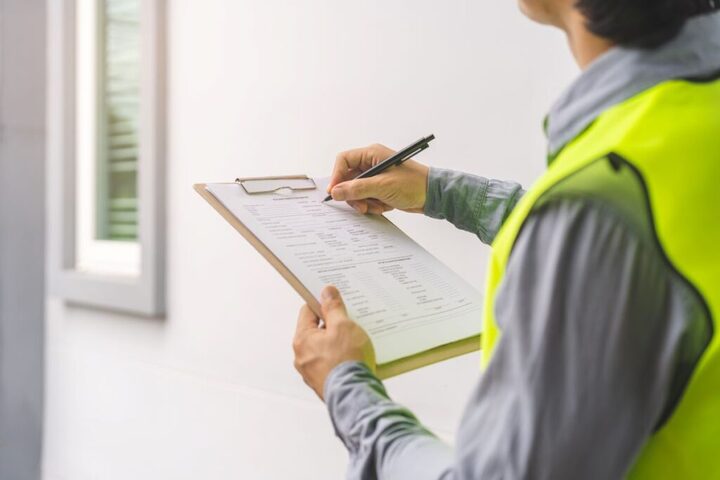
A property can look perfectly maintained during a quick walkthrough while still having areas that deserve closer attention. A Home Inspector examines accessible parts of a property and documents visible conditions that may affect maintenance, safety, or future repairs. The review can cover major components such as the roof, exterior, foundation, plumbing, electrical system, heating and cooling equipment, interior rooms, and other accessible areas. For buyers, this information can provide a better understanding of a property before making a purchase. Homeowners can also use an inspection to organize maintenance and learn more about the current condition of their property.
Begin With the Property Exterior
The exterior protects the interior of a home from rain, wind, moisture, and other environmental conditions. A Home Inspector may examine visible siding, trim, doors, windows, exterior surfaces, walkways, drainage areas, and other accessible features. Cracks, deterioration, damaged materials, poor drainage, and other visible conditions may be documented during the review. The ground surrounding the property is also important because water should generally be directed away from the structure. Exterior findings can provide useful information about maintenance needs and may indicate areas that require additional evaluation by a specialized contractor.
Review the Roof and Related Components
Roofing materials are exposed to weather throughout the year and can gradually deteriorate. A Home Inspector in Charlotte can review visible and accessible portions of the roofing system for conditions such as damaged materials, missing shingles, deteriorated flashing, and indications of water entry. Gutters and downspouts may also be considered because they influence how rainwater moves away from the building. An inspection does not replace a specialized roofing assessment, particularly when portions of the roof cannot be safely accessed. Still, visible observations can help property owners understand the roof's condition and determine whether further review may be necessary.
Examine Plumbing Areas
Water systems are essential throughout a home, and plumbing problems can sometimes remain unnoticed until damage becomes visible. A Home Inspector may review accessible pipes, faucets, drains, toilets, water fixtures, and areas beneath sinks for visible concerns. Leaks, corrosion, stains, damaged connections, and drainage problems can provide clues about possible maintenance needs. Bathrooms, kitchens, laundry areas, and utility spaces can receive particular attention because they contain several water-related components. When an inspection reveals a significant plumbing concern, further assessment by a qualified plumbing professional may be recommended to determine the exact source.
Look at Electrical Features
Electrical components support lighting, appliances, heating and cooling equipment, and many everyday household functions. During an inspection, a Home Inspector may review accessible outlets, switches, panels, fixtures, and visible wiring for noticeable concerns. Damaged components, exposed wiring, missing covers, or unusual modifications may indicate that further evaluation is appropriate. A general property inspection does not replace specialized electrical testing. If a significant electrical condition is identified, a qualified electrician can investigate the system in greater detail. This distinction helps homeowners understand what an inspection can reveal and when additional expertise may be required.
Assess Heating and Cooling Systems
A comfortable home depends on heating and cooling systems that are appropriate for the property's size and condition. A Home Inspector can review accessible HVAC equipment and related components for visible damage, maintenance concerns, and basic operation. Thermostats, vents, accessible ductwork, heating equipment, and air conditioning components may also be considered. The age and visible condition of major equipment can provide useful information for buyers and homeowners. Because an inspection does not reveal every internal mechanical condition, specialized HVAC testing may be appropriate when unusual performance or other concerns are observed.
Check Interior Areas Carefully
Interior rooms can provide important clues about the condition of a property. A Home Inspector may examine accessible floors, walls, ceilings, stairs, windows, doors, cabinets, and other visible components. Water stains, cracks, uneven surfaces, damaged finishes, sticking doors, and other noticeable conditions may be documented. These findings do not always indicate a serious defect, but they can point toward areas that deserve closer attention. Looking at the interior systematically can also reveal maintenance concerns that might be missed during a brief property viewing. A detailed inspection provides a broader picture of the home's accessible areas.
Pay Attention to Moisture and Airflow
Moisture can cause problems in many parts of a property when it is not properly managed. During an inspection, a Home Inspector may look for visible stains, damp materials, condensation, damaged surfaces, or other indications of moisture in areas such as bathrooms, kitchens, basements, crawl spaces, and attics. Ventilation can also be considered because poor airflow may contribute to condensation in certain locations. An inspector can document visible conditions, while specialized testing may be necessary to determine the source or extent of a suspected moisture problem. Early awareness can help property owners decide what further investigation may be appropriate.
Identify Maintenance and Safety Concerns
Not every inspection finding represents a major defect. Some conditions may involve routine maintenance, aging materials, minor damage, or features that require monitoring. An Inspection Service in Charlotte can document visible concerns involving stairs, railings, walkways, windows, doors, electrical components, and other accessible areas. Organizing these observations can help homeowners determine which matters deserve attention first. Buyers may also use the findings to understand the property's current condition and decide which areas warrant additional professional evaluation. Having documented observations can make future maintenance planning more organized and easier to prioritize.
Understand What the Inspection Tells You
A Home Inspector provides useful observations about accessible components and visible conditions, but an inspection cannot predict every future problem or replace specialized evaluations. Buyers can use the information to gain a clearer picture of a property before completing a transaction. Existing homeowners can use inspection findings to plan repairs, maintenance, and improvements. When an issue requires specialized knowledge, additional evaluation from an electrician, plumber, roofer, HVAC technician, or other qualified specialist may be appropriate. Understanding both the findings and the limits of an inspection allows property owners to use the information effectively when planning the next steps.