Treadmill Assembly for a Safer Home Workout Space
Posted by Thomas Wilson
Filed in Business 20 views
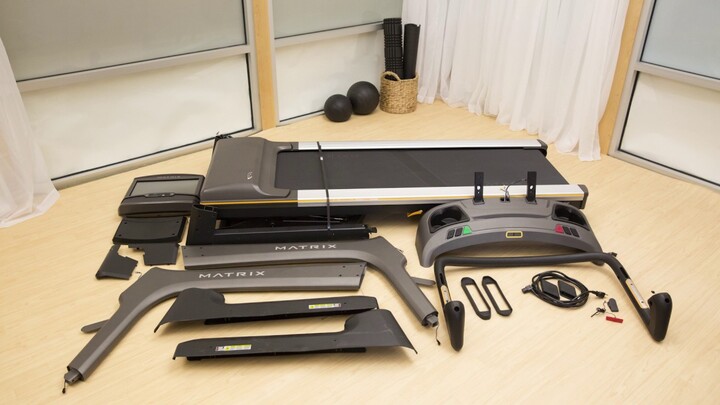
A treadmill can make it easier to maintain a regular workout routine at home, but getting the equipment assembled correctly is an important first step. Treadmills contain multiple frame pieces, fasteners, electrical connections, belts, consoles, and moving components that need to work together properly. Treadmill Assembly involves more than simply attaching a few parts. The equipment needs to be positioned on a suitable surface and assembled according to its specific instructions. Taking time to prepare the area and organize the components can make the setup process more manageable and provide a better foundation for regular use.
Choose the Right Location
The location of a treadmill can affect both comfort and safety during workouts. Before beginning Treadmill Assembly, measure the available area and make sure there is enough room around the equipment for normal use and access. The floor should be reasonably level and strong enough to support the treadmill and the person using it. Keep the equipment away from areas where it could block doors, narrow walkways, or other frequently used spaces. Adequate clearance around the machine can also make future cleaning, maintenance, and adjustments easier.
Check Every Component Before Assembly
Treadmills usually arrive with several separate components that need to be identified before installation begins. Treadmill Assembly in Norman becomes easier when all frame sections, bolts, washers, covers, handrails, console parts, and other components are checked against the manufacturer's instructions. Missing or incorrect hardware can create problems later in the process. Keep small fasteners organized so they do not become mixed together. Reviewing the parts before starting can also help you understand the general assembly sequence and reduce the need to disassemble sections because a component was installed too early.
Build the Frame Carefully
The main frame provides the foundation for the treadmill, so its components need to be positioned and secured correctly. During Treadmill Assembly, frame sections, support posts, and handrails should be aligned according to the equipment's instructions. Fasteners should be installed in the correct locations and tightened appropriately rather than forcing parts into position. Rushing through this stage can lead to alignment problems that affect later components. Working on a clean, open surface can make it easier to position larger pieces and keep hardware within reach throughout the assembly process.
Install the Console and Controls
The console provides access to important treadmill functions such as speed, incline, workout programs, and other settings. During Treadmill Assembly, the console and its connecting components should be handled carefully. Electrical connections and cables need to be routed according to the manufacturer's instructions so they are not pinched or exposed to moving parts. Once installed, the controls should be checked to confirm that they are securely positioned. Proper console installation helps ensure that users can operate the treadmill as intended after the physical assembly is complete.
Check the Walking Belt
The walking belt is one of the treadmill's most important moving components. As part of Treadmill Assembly, inspect the belt and confirm that it sits correctly on the running surface before the machine is operated. The belt should move smoothly without rubbing against surrounding components. If the manufacturer's instructions specify alignment or tension adjustments, follow those instructions carefully. Avoid making unnecessary adjustments without understanding the equipment's requirements. A properly positioned belt can support smoother operation and help reduce unnecessary wear during future workouts.
Connect the Power Safely
Treadmills use electrical power to operate the motor, console, belt, and other functions. Once Treadmill Assembly reaches the electrical stage, make sure the equipment is connected according to the manufacturer's requirements. Check the power cord for visible damage and keep it positioned away from areas where it could be tripped over or damaged. The outlet and power requirements should match the treadmill specifications. Avoid modifying electrical components or using unsuitable connections. If there is uncertainty about an electrical requirement, consult the manufacturer's instructions or a qualified technician before using the equipment.
Test the Equipment Before a Workout
The treadmill should be tested before anyone begins a normal exercise session. After Treadmill Assembly, inspect the frame, handrails, console, power connection, and walking belt once more. Start the machine at a low speed and observe how the belt moves. Check that the controls respond correctly and listen for unusual sounds or movement. If something appears loose, unstable, misaligned, or abnormal, stop the treadmill and investigate the issue before continuing. A careful initial test can reveal assembly problems that may not be obvious when the equipment is switched off.
Keep the Workout Area Organized
A treadmill needs a clear space around it for comfortable and practical use. After Treadmill Assembly, keep shoes, weights, cords, furniture, and other objects away from the walking area. The surrounding floor should remain free of clutter so the user can approach and leave the equipment without unnecessary obstacles. Regularly check that the treadmill remains stable and that its components continue to appear secure. Keeping the area organized can also make cleaning easier and help preserve the equipment's condition over time.
Maintain the Treadmill After Setup
Proper assembly is only the beginning of keeping exercise equipment in good working condition. Following the manufacturer's maintenance instructions after Treadmill Assembly can help support consistent performance. Keep the machine clean, inspect visible components, monitor the walking belt, and address unusual noises or changes in operation promptly. Avoid using the treadmill beyond its stated limits or ignoring signs of damage. A well-prepared workout area combined with routine equipment care can help the treadmill remain a useful part of a home exercise space for years to come.