Garage Door Repairs for Safer and Smoother Home Access
Posted by Thomas Wilson
Filed in Family & Home 13 views
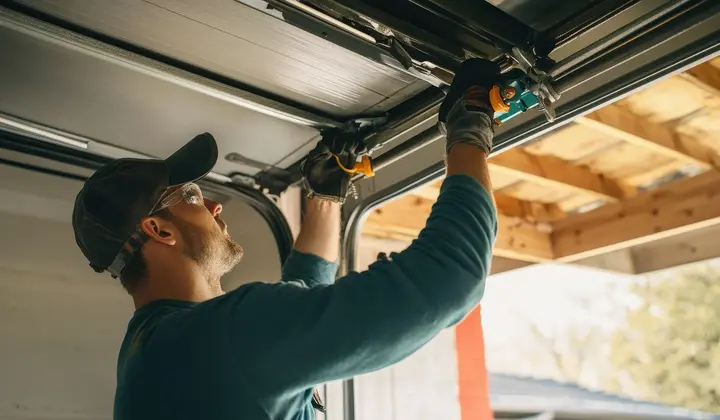
A garage door is opened and closed frequently, making its condition important for convenient access to a home or property. Over time, repeated use can cause springs, rollers, cables, hinges, tracks, and other components to wear. Garage Door Repairs can address problems that affect the door's movement, balance, appearance, or automatic operation. Common warning signs include unusual sounds, slow movement, uneven lifting, shaking, or a door that stops before reaching its normal position. Paying attention to these changes can make it easier to deal with developing problems before the door becomes completely unusable.
Understand Common Garage Door Problems
Garage doors can develop different issues depending on their age, construction, usage, and maintenance history. A door may become difficult to lift, refuse to close completely, or make unfamiliar noises during operation. Garage Door Repairs can involve examining the mechanical and operating components to determine what is affecting performance. Damaged panels, worn rollers, loose hardware, track problems, and spring wear are among the conditions that may interfere with normal movement. Identifying the source of the problem is important because replacing an unrelated part may not correct the underlying issue.
Deal With Broken or Worn Springs
Springs provide much of the assistance needed to raise and lower a garage door. Because they are placed under substantial tension, worn or broken springs can affect both balance and operation. Garage Door Repairs in Las Vegas may include replacing damaged springs with components suitable for the specific door system. Warning signs can include a door that suddenly feels very heavy, rises unevenly, or remains difficult to open. Spring repairs should not be treated as a simple do-it-yourself task because incorrectly handling tensioned components can cause serious injury. Proper assessment and suitable replacement parts are important for safe operation.
Repair Damaged Tracks and Rollers
Tracks guide the garage door as it moves between the open and closed positions, while rollers help the panels travel along those tracks. Dirt, impact damage, loose hardware, worn rollers, or misalignment can interfere with smooth movement. Garage Door Repairs can address track and roller problems that cause grinding, shaking, sticking, or uneven travel. The surrounding area should also remain clear so objects do not interfere with the door's path. Keeping these components in suitable condition can reduce unnecessary strain on the opener and help the door move more consistently.
Check Cables, Hinges, and Hardware
Several smaller components work together to support the movement of a garage door. Cables, hinges, brackets, bolts, and other hardware can loosen or wear through repeated operation. Garage Door Repairs can include inspection of these parts when a door becomes unstable or begins behaving differently. Frayed cables, damaged hinges, or loose brackets should not be ignored because a small component problem can affect other parts of the system. Hardware should also be appropriate for the weight and design of the door. Addressing worn components early can help prevent more extensive mechanical problems.
Resolve Garage Door Opener Issues
Automatic openers make garage access more convenient, but they can experience their own set of problems. A motor may fail to respond, the remote may stop working, or the door may open partway and then reverse. Garage Door Repairs can include examining the relationship between the opener and the mechanical door system. Sensor alignment, wiring, controls, drive components, and other parts may need attention depending on the symptoms. Before assuming the motor has failed, basic checks such as confirming power and clearing sensor obstructions may be useful. Persistent problems require further evaluation.
Pay Attention to Safety Features
Garage doors include safety mechanisms designed to reduce the risk of accidental operation. Photo-eye sensors and automatic reversing functions are especially important for powered doors. Garage Door Repairs can address safety components that are misaligned, damaged, or not responding as expected. Sensors should remain clean and positioned correctly, while the area around the door should be kept free from objects that could interfere with movement. Homeowners should never bypass a safety feature simply to keep a malfunctioning door operating. A door that does not respond correctly to its safety mechanisms deserves prompt attention.
Repair Doors Damaged by Impact or Weather
Garage door panels can become dented or damaged after contact with vehicles, equipment, severe weather, or other objects. Even when the door continues moving, damaged panels can affect alignment and place additional stress on other components. Garage Door Repairs can involve repairing suitable sections or determining when panel replacement is more practical. Weather seals may also become cracked or worn, allowing drafts, dust, and moisture into the garage. Addressing visible damage can improve the door's operation and help protect the garage interior from outside conditions.
Decide Between Repair and Replacement
Not every damaged garage door needs to be replaced entirely. The age of the system, extent of damage, frequency of previous problems, condition of the opener, and availability of suitable replacement parts can all influence the decision. Garage Door Repairs can provide an opportunity to assess the condition of individual components before committing to a complete replacement. A door with one worn part may continue serving the property for years after the issue is corrected, while extensive structural damage may make replacement more practical. Understanding the actual condition of the system allows for a more informed decision.
Maintain Your Garage Door After Repairs
Regular observation and basic care can help protect a repaired garage door from unnecessary wear. Keep tracks and the surrounding area clear, watch for changes in movement, inspect visible hardware, and pay attention to new sounds. Garage Door Repairs can correct existing problems, while ongoing care can make future issues easier to notice. Homeowners should also avoid forcing a door that appears stuck or continuing to operate a system with damaged springs, cables, or safety components. Timely attention to unusual behavior can help preserve the door's function and provide safer, more convenient access to the property.