Cabinet Repair for Better Organized and Functional Spaces
Posted by Thomas Wilson
Filed in Business 13 views
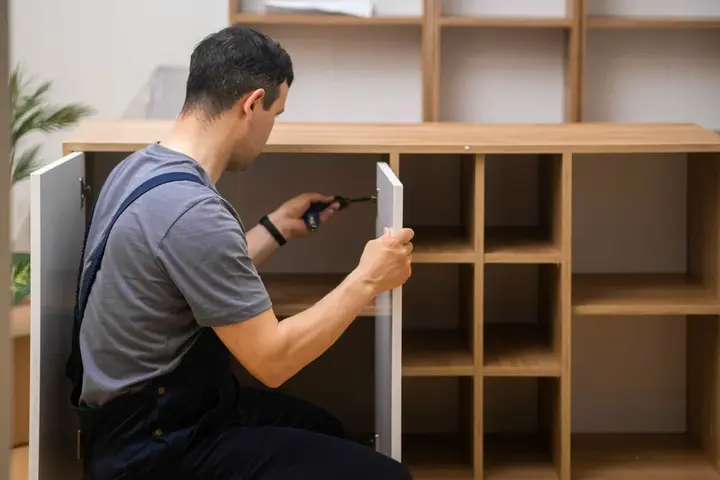
Cabinets play an important role in kitchens, bathrooms, offices, laundry rooms, and other parts of a home. They provide storage while also contributing to the appearance and organization of a room. Over time, doors may become loose, drawers can stop sliding smoothly, hinges may wear out, and cabinet surfaces can develop scratches or other damage. Cabinet Repair can address many of these problems without requiring complete cabinet replacement. Repairing existing cabinets can preserve useful storage, reduce unnecessary material waste, and refresh the appearance of a room. Before replacing an entire cabinet system, it is worth examining which parts are damaged and whether they can be restored.
Identify the Problem Before Making Repairs
A cabinet may appear damaged in one area while the underlying problem is somewhere else. A crooked door, for example, may result from a loose hinge rather than a damaged door panel. Drawers that stick may have problems with their slides, alignment, or surrounding cabinet structure. Cabinet Repair begins with understanding what is causing the problem so the appropriate part can be addressed. Inspect doors, drawers, hinges, handles, shelves, joints, and cabinet boxes carefully. Finding the actual source of the issue can prevent unnecessary replacement and make the repair process more straightforward.
Restore Loose or Misaligned Doors
Cabinet doors receive frequent use, so hinges and mounting points can gradually loosen. Doors may begin sitting unevenly, rubbing against neighboring panels, or failing to close properly. Cabinet Repair in Wilson can involve adjusting hinges, tightening hardware, replacing worn components, or correcting alignment problems. In some cases, damaged screw holes may need additional attention before hardware can be securely reinstalled. Properly aligned doors can make cabinets easier to use and give the entire room a cleaner appearance. Checking the surrounding cabinet structure is also useful because repeated movement can sometimes indicate a larger issue.
Fix Drawers That No Longer Slide Smoothly
Drawers are another cabinet component that can develop problems through regular use. They may stick, wobble, sag, make unusual sounds, or fail to close completely. Worn slides, damaged rollers, loose fasteners, or excessive weight can contribute to these issues. Cabinet Repair can restore drawer function by adjusting or replacing appropriate hardware and correcting alignment. Drawer boxes should also be checked for loose joints or damaged panels. Once the underlying problem is corrected, storing items according to the drawer's capacity can help reduce unnecessary strain and keep the mechanism moving properly.
Repair Damaged Cabinet Surfaces
Cabinet surfaces can develop scratches, dents, chips, stains, and worn finishes over time. Minor damage does not always mean the entire cabinet needs to be replaced. Cabinet Repair may involve filling small imperfections, replacing damaged sections, touching up finishes, or refinishing suitable surfaces. The repair method depends on the cabinet material and the extent of the damage. Matching the existing finish can require careful preparation because differences in color or texture may be noticeable. Addressing surface damage can improve the appearance of older cabinets while allowing the existing storage system to remain in place.
Strengthen Weak Cabinet Boxes and Joints
The cabinet box provides the main structure that supports doors, shelves, drawers, and stored belongings. Loose joints, cracked panels, water damage, or weakened connections can affect its stability. Cabinet Repair can address certain structural issues by reinforcing joints, securing panels, replacing damaged sections, or correcting areas affected by moisture. Cabinets beneath sinks deserve particular attention because plumbing leaks can weaken surrounding materials. Structural repairs should be assessed carefully because severe deterioration may require replacement of the affected section rather than a simple adjustment.
Replace Worn Hardware for Better Function
Small pieces of hardware can have a major effect on how cabinets operate. Hinges, drawer slides, handles, knobs, catches, and shelf supports may become worn or damaged after years of use. Cabinet Repair can include replacing these components with suitable hardware that matches the cabinet design and existing dimensions. New hardware can sometimes improve function without changing the cabinet doors or boxes themselves. Before purchasing replacement parts, measure the existing components and check how they are mounted. Correct sizing helps prevent installation problems and ensures that repaired cabinets continue to operate properly.
Address Moisture Damage Promptly
Moisture can be particularly harmful to cabinets located near sinks, dishwashers, bathrooms, laundry areas, and other water sources. Swollen panels, peeling finishes, discoloration, or soft material may indicate exposure to water. Cabinet Repair can address certain moisture-related problems, but the source of the moisture should also be corrected. A leaking pipe or fixture can cause newly repaired materials to deteriorate again if it remains unresolved. Drying affected areas, repairing leaks, and replacing severely damaged sections when necessary can help protect the surrounding cabinetry and prevent the problem from spreading.
Refresh Cabinets Without Changing the Layout
Sometimes cabinets function well but look dated or worn. In these situations, a full kitchen or bathroom renovation may not be necessary. Cabinet Repair can be combined with cosmetic updates such as new handles, repaired surfaces, adjusted doors, or refreshed finishes. These changes can give an existing cabinet system a cleaner appearance while preserving its current layout and storage capacity. Keeping the existing structure can also reduce the amount of work involved compared with removing and rebuilding the entire installation. A targeted approach allows homeowners to focus on the areas that need the most attention.
Know When Repair Is Better Than Replacement
Not every damaged cabinet can or should be repaired. The condition of the cabinet material, extent of structural damage, age of the installation, cost of replacement parts, and overall condition of the surrounding cabinets can influence the decision. Cabinet Repair is often worth considering when the main structure remains usable and the problem is limited to hardware, surfaces, doors, drawers, or individual components. Severe water damage, extensive deterioration, or major structural failure may call for replacement instead. Evaluating the cabinet as a whole makes it easier to choose an appropriate solution.
Maintain Repaired Cabinets for Longer Use
Once cabinet problems have been corrected, regular care can help preserve the improvements. Clean surfaces with products suitable for the cabinet material, avoid excessive moisture, keep hinges and slides free from debris, and avoid placing more weight in drawers or shelves than they can support. Cabinet Repair can restore damaged areas, but everyday care plays an important role in keeping them functional. Check doors, hardware, and cabinet interiors periodically for signs of new wear. Addressing loose components, minor surface damage, or moisture concerns early can help prevent small issues from becoming larger repairs. With sensible care, repaired cabinets can continue providing useful storage and a finished appearance for years.