Metal Roof Repair for Better Roof Protection
Posted by Thomas Wilson
Filed in Business 8 views
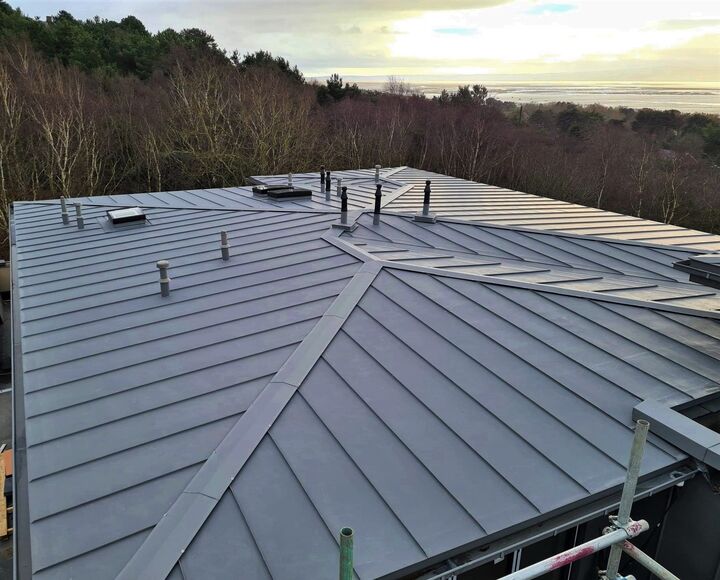
Metal roofs can provide long-term protection, but exposure to weather, falling debris, aging fasteners, and installation issues can eventually create problems. Leaks, loose panels, damaged coatings, rust, and failed flashing are signs that a roof may need attention. Metal Roof Repair focuses on identifying the source of the problem and correcting affected areas before damage spreads. A visible stain inside the building does not always show where water is entering, so the roof should be examined carefully. Early attention can help protect insulation, ceilings, walls, and other building materials beneath the roofing system.
Find and Repair Roof Leaks
Water intrusion is one of the most common reasons a metal roof requires repair. Rain can enter through damaged seams, deteriorated flashing, loose fasteners, roof penetrations, or areas where sealants have failed. Metal Roof Repair can involve tracing the path of water and examining nearby panels and connections rather than treating only the visible interior stain. Roof leaks should be addressed promptly because repeated moisture can damage insulation, decking, framing, and interior finishes. Finding the actual entry point helps ensure that the repair addresses the source instead of temporarily covering the resulting water damage.
Replace Damaged or Loose Panels
Strong winds, falling branches, impact from debris, and other events can damage metal roofing panels. Panels may become bent, punctured, separated, or displaced from their intended position. Metal Roof Repair in Santa Cruz may involve securing a loose panel or replacing a section that can no longer provide suitable protection. The replacement material should be compatible with the existing roofing system in terms of profile, dimensions, and finish where possible. Leaving significantly damaged panels in place can allow moisture to reach the layers beneath the roof and create additional problems over time.
Check Fasteners and Connections
Fasteners play an important role in keeping metal panels securely attached to the roof structure. Over time, screws can loosen, seals can deteriorate, or fastening points can become damaged. During Metal Roof Repair, these connections should be examined for movement, corrosion, missing hardware, or failed sealing around fastener heads. Simply tightening a damaged fastener may not resolve the underlying issue if the surrounding material has deteriorated. Replacing unsuitable hardware and restoring proper sealing can help maintain the roof's resistance to water and wind while reducing the chance of recurring leaks.
Address Rust and Surface Deterioration
Although many metal roofing systems include protective coatings, exposed surfaces can eventually develop corrosion when coatings are damaged or moisture remains in vulnerable areas. Rust may appear around fasteners, edges, seams, scratches, or areas where the protective finish has worn away. Metal Roof Repair can include cleaning affected areas, treating corrosion, restoring protective coatings, or replacing severely deteriorated materials. The correct approach depends on the extent of the damage and the type of metal used. Addressing corrosion early can help prevent a localized surface problem from weakening a larger portion of the roofing system.
Repair Flashing Around Roof Features
Roof penetrations and transitions can be vulnerable to water intrusion because they require several materials and components to work together. Chimneys, vents, skylights, ridges, valleys, walls, and roof edges may all include flashing that directs water away from openings. Metal Roof Repair can involve replacing damaged flashing, correcting poor installation, or renewing deteriorated seals around these areas. A roof may have sound panels while still leaking because flashing has failed. Examining these details carefully can help identify problems that are not immediately obvious when looking only at the main roofing surface.
Inspect Seams and Panel Joints
Seams connect sections of metal roofing and can become vulnerable when panels shift, sealants deteriorate, or connections are damaged. Standing seam and other metal roofing systems require appropriate treatment of their joints to keep water from entering beneath the panels. Metal Roof Repair may include resealing, securing, or replacing affected seam components depending on the roofing design. Repairs should account for the way the panels move with temperature changes so that the solution does not create additional stress. Properly maintained seams can support better water resistance throughout the roof.
Check Gutters and Drainage Areas
A metal roof depends on effective drainage to move rainwater away from the building. Blocked gutters, damaged downspouts, poor drainage paths, or debris buildup can cause water to collect near roof edges and other vulnerable areas. During Metal Roof Repair, drainage components should be considered when investigating recurring moisture problems. Keeping gutters clear can also reduce unnecessary water exposure around fascia, roof edges, walls, and foundations. If water repeatedly collects in one location, the underlying drainage arrangement may need to be reviewed rather than simply cleaning the affected area.
Decide Between Repair and Roof Replacement
Not every damaged metal roof needs to be replaced completely. The age of the roof, extent of damage, condition of the panels, history of previous repairs, and overall structural condition can all influence the decision. Metal Roof Repair may be practical when problems are limited to certain panels, fasteners, seams, flashing, or surface areas. Extensive corrosion, widespread damage, or significant deterioration may point toward replacement instead. Evaluating the complete roofing system before making a decision can help property owners avoid unnecessary work while also preventing repeated repairs on a roof that has reached the end of its useful life.
Maintain the Roof After Repairs
Once repairs are completed, routine observation can help protect the roofing system and identify new concerns early. Property owners should keep gutters clear, trim branches away from the roof, inspect visible fasteners and flashing, and look for changes after severe weather. Metal Roof Repair can restore affected areas, but ongoing care helps preserve the work and reduce avoidable problems. Interior signs such as water stains, damp insulation, or peeling finishes should also be investigated promptly. With suitable repairs and consistent maintenance, a metal roof can continue protecting the property while reducing the risk of recurring moisture damage.