Commercial Moving for a More Organized Business Relocation
Posted by Thomas Wilson
Filed in Business 6 views
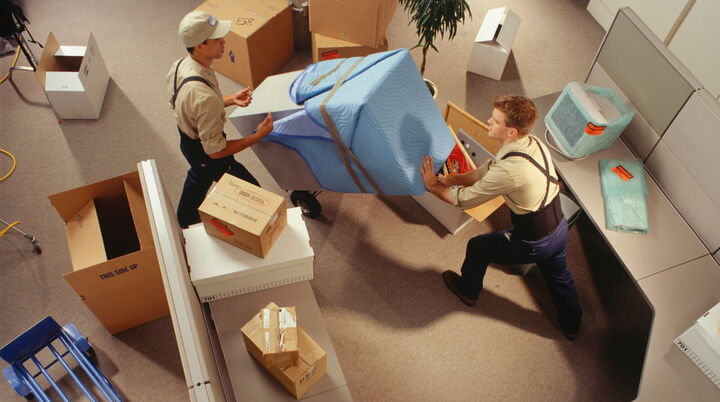
Relocating a business involves more planning than simply transporting office furniture and equipment. Employees, files, technology, furniture, supplies, and work areas all need to be coordinated around the move. Commercial Moving can be easier to manage when the relocation is divided into clear stages and scheduled around business operations. Start by identifying important deadlines, preparing an inventory, and deciding which areas should be moved first. A practical schedule can help reduce confusion and give the business enough time to prepare employees, customers, and essential operations for the transition.
Review Everything Before Packing
Business relocations provide an opportunity to examine equipment, furniture, supplies, documents, and other workplace belongings. Items that are outdated, damaged, duplicated, or no longer useful may not need to be transported to the new location. Commercial Moving in West Park can become more manageable when the inventory is reviewed before packing begins. Separate items that will move, those that can be recycled or donated, and anything that requires special handling. Reducing unnecessary belongings can lower the amount of material being transported and create a cleaner starting point at the new workplace.
Create an Organized Inventory
A detailed inventory can make it easier to track business belongings throughout the relocation. Desks, chairs, computers, monitors, filing cabinets, equipment, office supplies, and other items should be recorded before they leave the current property. During Commercial Moving, labeling each item or box with its destination can help maintain order during loading and unloading. Sensitive documents and valuable equipment may also require separate handling procedures. An organized inventory provides a reference for checking that important items have reached the new location and can reduce the chance of misplaced belongings.
Protect Office Technology and Equipment
Computers, servers, printers, monitors, communication equipment, and other electronics often require careful preparation before transportation. Cables should be organized, removable components should be protected, and equipment should be packed using suitable materials. Commercial Moving should account for the specific handling requirements of technology and other sensitive equipment. Important data should also be backed up before the relocation begins. Keeping technology organized can make reconnection easier at the new office and reduce unnecessary delays when employees are ready to resume their normal work.
Prepare Furniture for Transportation
Office furniture can include desks, conference tables, shelving, cabinets, reception counters, and other large items. Some pieces may need partial disassembly to pass through doorways, hallways, elevators, or stairways. During Commercial Moving, hardware should be stored in clearly labeled containers and associated with the correct furniture. Measuring large items and access routes in advance can help identify obstacles before moving day. Protective coverings may also reduce scratches or other surface damage during handling and transportation.
Keep Business Operations in Mind
A business may not be able to stop working completely during a relocation. Essential departments, equipment, records, or communication systems may need to remain operational until specific stages of the move are completed. Commercial Moving Service in West Park should be scheduled around these operational requirements whenever possible. Some businesses may benefit from moving departments in phases, while others may prefer a single coordinated relocation. Identifying critical functions in advance can help determine which items should be transported first and which can wait until later.
Prepare the New Workplace
The destination property should be ready before the moving vehicle arrives. Workstations, offices, storage areas, meeting rooms, and equipment locations should be planned in advance so belongings can be placed directly where they belong. Commercial Moving becomes more organized when employees and movers have a clear understanding of the new layout. Access points, elevators, parking areas, and building restrictions should also be considered before moving day. Preparing the workspace early can reduce unnecessary handling and make the setup process more efficient.
Organize the Loading Process
Office belongings should be loaded according to their weight, size, fragility, and destination. Heavy furniture needs stable positioning, while electronics, glass items, and other delicate equipment require suitable protection. During Commercial Moving, clear labels can help determine which items should be unloaded first and where they should go. Keeping similar departments or work areas grouped can also simplify the setup process. A well-organized load can make better use of transportation space while reducing unnecessary searching once the shipment reaches the new workplace.
Set Up the New Office in Stages
After transportation is complete, trying to organize the entire workplace at once can create unnecessary confusion. Begin with essential work areas, communication systems, and equipment before moving toward less urgent spaces. Commercial Moving can be followed by a staged setup that allows employees to return to their responsibilities as quickly as practical. Boxes should be placed in their designated rooms, while technology and important equipment can be arranged according to the new workspace plan. A structured setup process can make the transition easier for employees and management.
Create a Better Start at the New Location
A successful business relocation continues beyond the transportation stage. Once furniture, equipment, documents, and supplies have arrived, the new workplace needs to become organized and functional. Commercial Moving is easier to complete when planning covers inventory, packing, technology, furniture, transportation, and final setup from the beginning. Reviewing the new workspace after everything has been installed can also reveal items that need adjustment. With a clear schedule, organized handling, and careful preparation, a commercial relocation can provide the business with a more structured start in its new location.